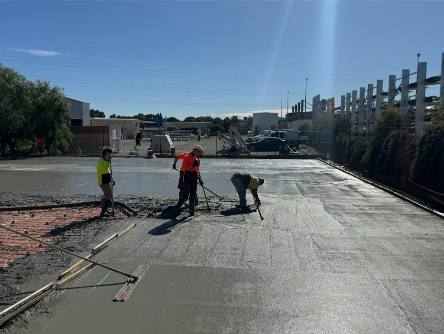
Commercial Concreting — Adelaide, SA

Concrete Footpaths Adelaide

Commercial footpaths built to specification for retail, industrial, and mixed-use developments. Correct levels, proper drainage, finished surface — managed in-house from start to finish.

Get a Quote
Concrete Footpaths Adelaide

A commercial concrete footpath is not a wider version of a garden path. The level tolerances, drainage falls, surface texture, and edge detailing all need to match the requirements of the site it's part of.

Envision Concrete constructs concrete footpaths for commercial developments across Adelaide, including retail centres, industrial sites, mixed-use developments, and multi-unit residential projects where pedestrian surfaces need to perform under regular use and meet the requirements of the wider site.

Commercial footpaths rarely exist in isolation. They connect to building entries, car parks, vehicle access areas, kerbing, and other site concrete. When different trades handle adjacent elements, level and finish mismatches between them are common. We manage connected concrete works under one contract, so the footpath ties in correctly to whatever surrounds it.

Where a development calls for a more considered finish on pedestrian surfaces, exposed aggregate is an option that performs well underfoot and suits sites where appearance is part of the brief.
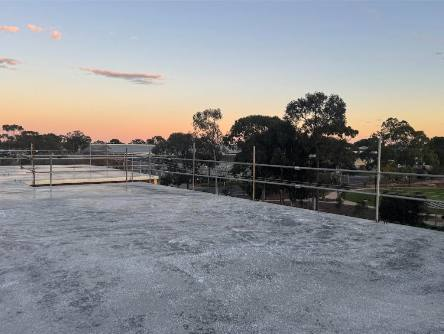
Commercial concrete footpath construction Adelaide
Scope of Work

What the Job Covers

Every footpath we build is managed in-house from excavation through to finished surface. The crew that prepares the sub-base is the same one that pours and finishes the concrete, which means nothing gets lost between stages.

Surface finish is selected based on the site context and intended use. Standard broom finish provides the slip resistance most commercial footpaths need. Where the development calls for a more finished look, exposed aggregate or other options are available and discussed during the quoting stage. For more on how we approach our work, see the About page.

Level and Drainage Assessment

Before any excavation we establish the finished level requirements and drainage falls needed to direct surface water away from buildings and toward site drainage points. This determines the excavation depth and formwork setup.

Excavation and Sub-Base Preparation

We excavate to the required depth and prepare a compacted sub-base. On commercial sites where the footpath crosses vehicle access areas, we account for the increased load requirements at those points during this stage.

Edge Formwork

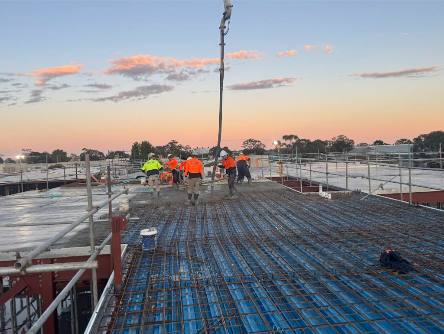
Formwork is set to the correct width, level, and cross-fall. Accurate edge setting is what gives a footpath clean lines and correct drainage geometry in the finished surface.

Reinforcement Supply and Placement

We supply and lay reinforcement to the specification required. Standard footpath sections use mesh reinforcement. Areas subject to vehicle crossings are reinforced to suit the additional load.

Concrete Supply, Pour and Finish

We manage the concrete supply, coordinate the pour, and finish the surface to the agreed specification. Control joints are placed at appropriate spacing. Broom finish is standard. Exposed aggregate or other finishes are available where the project requires them.

Concrete footpath formwork and reinforcement Adelaide Commercial concrete footpath finished surface Adelaide
Bigger Picture

Footpaths in the Context of a Larger Development

On most commercial sites, a footpath is one element in a network of connected concrete surfaces. It meets a car park, crosses a driveway, runs along a building entry, or ties into kerbing and drainage structures. Each of those connections is a potential problem point if the trades working on adjacent elements aren't coordinating on levels and finishes.

We regularly work on sites where footpaths are part of a broader concrete package. Managing connected elements under one contract means the levels are set consistently across the whole site, the finishes tie in correctly, and there's no gap in accountability between who poured what.

For developments where pedestrian access requirements apply, those considerations need to be worked through with your building certifier or accessibility consultant. Our role is to build the footpath to the levels and dimensions specified. If those specifications account for accessible pathway requirements, we execute them accurately.

Consistent Levels Across the Site

When one crew manages footpaths and connected concrete elements, finished levels are set and checked against each other rather than in isolation, reducing the risk of step-downs or drainage inconsistencies at joins.

Matching Finishes at Transitions

Where a footpath meets a driveway, hardstand, or building entry, the surface finish and edge detail need to transition cleanly. This is straightforward when one team controls both elements and almost always an issue when they don't.

Vehicle Crossing Specifications

Where a footpath crosses a vehicle access point, the slab thickness and reinforcement need to account for the load. This is part of our quoting and planning process, not something we pick up on site after the pour.

Single Contract, Clear Accountability

One team managing connected concrete works means one point of contact, one schedule to coordinate, and no split responsibility if something needs to be resolved during or after the job.

Common Questions

Concrete Footpaths — What Clients Ask

What is the standard thickness for a commercial concrete footpath?

Commercial concrete footpaths are typically poured at 100mm. Where a footpath crosses a vehicle access point or needs to carry occasional vehicle loads, a thicker section with heavier reinforcement is generally required at that crossing. We account for this during the design and quoting stage rather than as an afterthought on site.

What surface finish is best for a commercial footpath?

Broom finish is the standard for commercial footpaths. It provides a textured, slip-resistant surface that performs well in wet conditions and is low maintenance over time. Where a development calls for a more considered visual finish, exposed aggregate is an option. The right choice depends on site context, adjacent finishes, and the client's brief.

Do you handle footpaths as part of a larger site concrete package?

Yes. We regularly work on sites where footpaths are one element of a broader concrete package that also includes driveways, hardstands, or other slab work. Managing connected elements under one contract avoids the level and finish inconsistencies that occur when different trades handle adjacent concrete. Contact us to discuss your full site requirements.

How do concrete footpaths handle drainage on commercial sites?

Concrete footpaths on commercial sites are formed with a cross-fall to direct surface water away from buildings and toward drainage points. The fall is set during formwork to achieve the correct gradient before the pour. Getting drainage geometry right during construction is important because correcting it after the concrete has cured is difficult and costly.

What areas of Adelaide do you service for concrete footpaths?

We service all metropolitan Adelaide regions and take on projects across regional South Australia depending on scope and site access. Contact us to discuss your specific location and project requirements.

Get In Touch

Get a Quote for Your Footpath Project

Tell us about your site — footpath length and width, location, and whether it connects to other concrete elements — and we'll get back to you to discuss scope and pricing. Or call us on 0428 314 073.

Service Area

All Metropolitan Adelaide regions & regional South Australia